Test method
Define the physical or electrical condition being evaluated, the applicable requirements, connections, limits, comparisons, and evidence needed.


Application-led technical solutions
Start with the test object and decision, then connect the required methods to a current product, integrated system, and support plan.
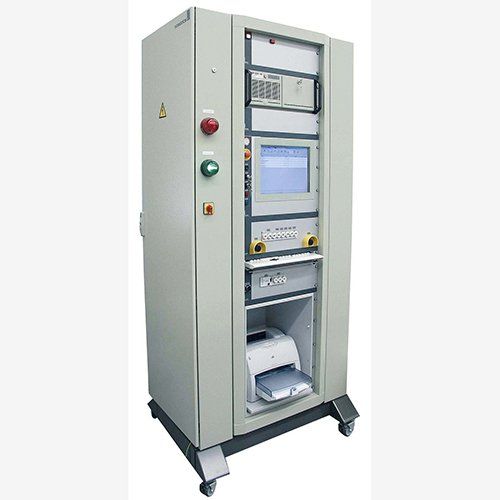
Application overview
A useful technical solution begins with the equipment or component, the production or service context, the suspected or controlled condition, and the action that follows the result. Those facts determine which methods belong in the sequence.
MDS can then help connect the method set to a current portable instrument, configurable tester, production station, or engineered system, along with interfaces, documentation, training, calibration, and service planning.
Review the Schleich test-method overviewSystem scope
A useful specification connects the checks being performed to the equipment, process, interfaces, results, and people responsible for the work.
Define the physical or electrical condition being evaluated, the applicable requirements, connections, limits, comparisons, and evidence needed.
Match the method sequence to current equipment, fixtures, switching, automation, result handling, and production or field constraints.
Plan commissioning, training, documentation, calibration, service, change ownership, and the route for future application support.
Application workflow
Use these steps to turn a broad application request into a current technical and support conversation.
Document the asset or component, operating and process context, condition in question, applicable requirements, and action tied to the result.
Separate safety, winding, insulation, functional, power, and mechanical questions, then set the sequence, comparisons, limits, and records.
Review current equipment, fixtures, interfaces, handling, automation, identifiers, result storage, and operator responsibilities.
Establish commissioning, training, calibration documentation, service, change control, and the support route across the system lifecycle.
Prepare for review
These inputs help MDS identify the right current product, test method, system, and support path without treating a general guide as a final specification.
Current next step
Share the equipment, process, test objective, interfaces, documentation needs, and support expectations so MDS can confirm the current fit.