Application
What motor, process, or support problem is in front of the team?


Test Methods
Engineers need enough depth to trust the route, plus enough honesty to know when the application needs a conversation.
Application fit
MDS helps teams move from a motor testing question to a practical method, product fit, support path, and next conversation.
What motor, process, or support problem is in front of the team?
Which test method belongs in the conversation?
Which Schleich or MDS product family deserves attention?
What North American service path reduces ownership friction?
Engineer utility
Use the method guide to scan quickly, see limits, and decide when to bring MDS into the specification conversation.
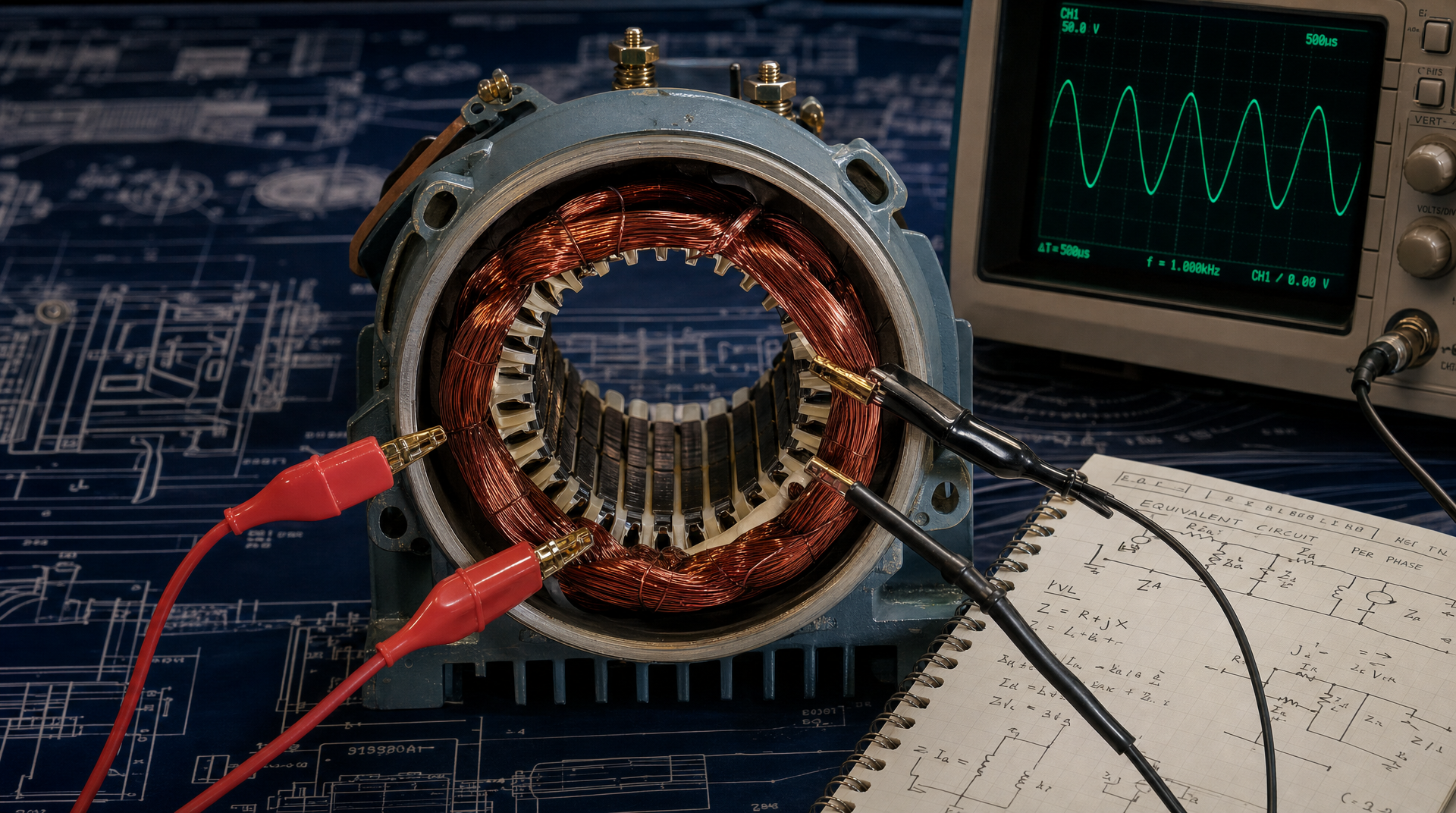
Method guidance stays connected to windings, leads, instruments, and visible test work.
Production methods need line context, process fit, and operator workflow.
Premium methods need credible product-system context before product fit hardens.
Method comparison
Compare methods by fit, operating context, product route, support need, and where the application deserves a direct conversation.
Application guides
These guides connect individual checks to production workflow, interfaces, results, documentation, and support planning.
Connect the test sequence, station hardware, automation, results, and support plan before a production system is specified.
Bring electrical safety, functional behavior, contacting, production flow, and result handling into one lighting test conversation.
Connect electrical safety and functional testing to the rail vehicle, subsystem, production stage, documentation, and support need.
Separate the safety checks, functional decisions, process needs, and result requirements before selecting a test system.
Define the insulation system, applicable requirements, voltage, duration, current evaluation, safety controls, and result path before specifying equipment.
Choose winding tests by the fault mechanism and decision required, then confirm the method sequence, limits, equipment, records, and support fit.
Connect the induction motor, winding condition, operating context, likely fault mechanisms, and required decision before selecting test methods.
Define the device class, applicable requirements, measuring circuit, operating condition, limits, and result path before specifying a leakage-current test.
Define the protective path, connection points, test current, measurement method, applicable limits, sequence, and records before specifying equipment.
Start with the test object and decision, then connect the required methods to a current product, integrated system, and support plan.
Motor life is an outcome of operating stress, environment, construction, condition, maintenance, failure history, and the decision the evidence must support.
Application engineer
When the method, product path, standards language, or support context is not obvious, move the visitor into a direct application conversation.