Grounding and insulation
Identify the protective-conductor and insulation-resistance checks that apply, including connection points, limits, sequence, and result handling.


Electrical safety guide
Separate the safety checks, functional decisions, process needs, and result requirements before selecting a test system.
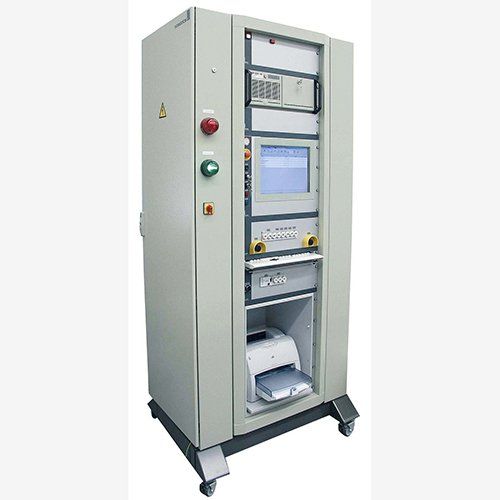
Application overview
Electrical-safety testing can include protective-conductor, insulation-resistance, high-voltage, and leakage-current methods. Functional testing answers a different question: whether the unit behaves as required under the defined operating conditions.
The required methods, limits, sequence, and records depend on the test object, applicable requirements, production or service context, and the decision the result must support. Confirm those inputs before treating a product configuration as final.
Review the current Schleich GLP3 overviewSystem scope
A useful specification connects the checks being performed to the equipment, process, interfaces, results, and people responsible for the work.
Identify the protective-conductor and insulation-resistance checks that apply, including connection points, limits, sequence, and result handling.
Define the applicable AC or DC high-voltage and leakage-current requirements without assuming one voltage, duration, or limit fits every product.
Document operating states, inputs, outputs, contacting, fixtures, identifiers, cycle needs, and the functional decisions the test must support.
Application workflow
Use these steps to turn a broad application request into a current technical and support conversation.
Record the product or assembly, electrical characteristics, variants, access points, and production or service stage.
Identify the governing requirements and separate each required safety check from the functional behavior being evaluated.
Set the test order, contacting, operator actions, pass or fail logic, records, interfaces, and response to a failed step.
Review the required methods and process with MDS to confirm current equipment, configuration, documentation, training, and support.
Prepare for review
These inputs help MDS identify the right current product, test method, system, and support path without treating a general guide as a final specification.
Current next step
Share the equipment, process, test objective, interfaces, documentation needs, and support expectations so MDS can confirm the current fit.